
How Canadian Online Gamblers Can Protect Their Mental Health and Finances: A 2026 Guide to Responsible Play, Choosing the Best Bitcoin Casino, and Recognizing Problem Gambling Signs
How Canadian Online Gamblers Can Protect Their Mental Health and Finances: A 2026 Guide to Responsible Play, Choosing the Best Bitcoin Casino, and Recognizing Problem Gambling Signs
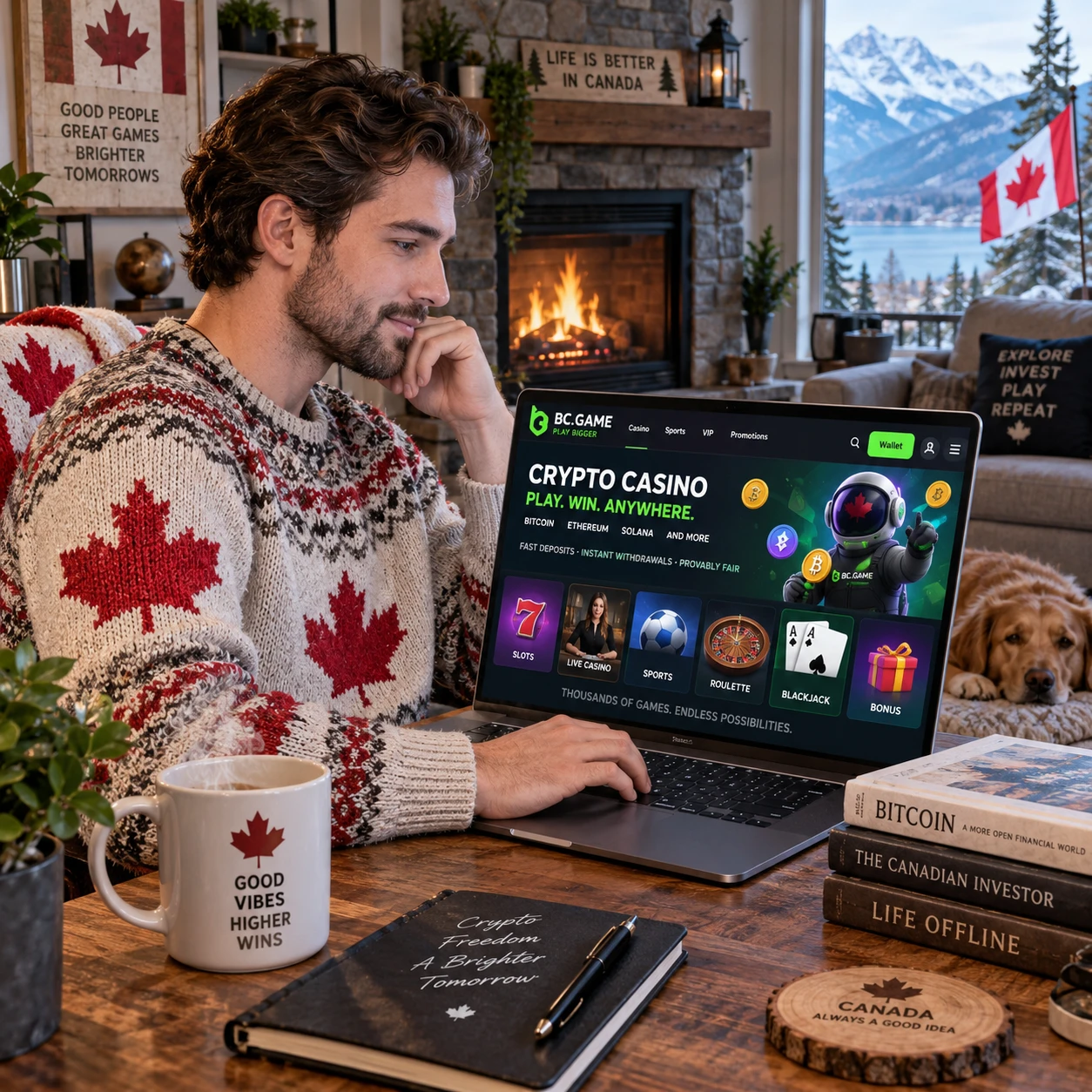
I've spent a lot of time watching how online gambling has shifted in Canada, and 2026 feels like a real turning point — not some gradual slope but an actual bend in the road. Crypto casinos aren't a niche curiosity anymore. They're mainstream, fast, and woven into how a lot of Canadians spend their downtime now.
That growth is exciting, sure. But it comes with real risk, too. More access means more chances for things to spiral quietly, especially when transactions clear in seconds and the line between 'fun' and 'problem' blurs faster than most people expect.
This guide is my attempt to walk through both sides of that coin — literally. I want to help you enjoy online and Bitcoin casino gaming without losing sight of your mental health or your bank account. So I'll get into why responsible gambling matters more than it used to, how to actually vet a crypto casino instead of just trusting the ads, and how to spot the early warning signs of problem gambling before they turn into a full-blown crisis.
Why Responsible Gambling Matters for Canadian Players in 2026
Online gambling in Canada has never been this accessible. Mobile apps put a full casino in your pocket. Crypto payments settle almost instantly. Betting's become normalized in a way it just wasn't a decade ago — sports apps send push notifications, influencers promote casino bonuses, and the stigma that used to hang over gambling has mostly faded.
That normalization cuts both ways, honestly. Easy access is great when you're playing within your means. But it also strips away a lot of the friction that used to slow people down — having to physically drive to a casino, say, or wait a few days for a bank transfer to clear. In 2026, protecting your mental health and finances isn't something you figure out later, once the damage is already showing. It has to be baked into how you play from day one.
The Link Between Gambling, Stress, and Financial Pressure
Financial losses and gambling habits feed each other in ways that aren't always obvious at first glance. A bad session triggers stress. That stress nudges someone toward 'one more try' to recover the loss. And the cycle compounds from there — quietly, then all at once.
I've heard from readers who describe sleepless nights, strained relationships, a creeping anxiety that only let up once they stepped back and actually looked at their habits. Keeping that connection in mind — between money, mood, and behavior — is pretty much the foundation for everything else in this guide.
Understanding the Rise of Bitcoin Casinos in Canada
Bitcoin and crypto casinos work a lot like traditional online casinos, except deposits and withdrawals move through cryptocurrency instead of bank transfers or credit cards. The appeal's obvious: transactions are fast, often anonymous, and typically carry lower fees than conventional payment processors.
Canadian players have noticed. Crypto casinos went from a fringe option to a legitimate alternative for anyone comfortable using digital currency — and honestly, that shift happened faster than most people realize.
Pros and Cons of Gambling with Cryptocurrency
There's a lot to like about crypto gambling. But it's not without tradeoffs. Here's how I'd break it down:
- Pros: faster payouts than traditional banking, greater privacy, and many platforms offer provably fair games that let you verify outcomes aren't rigged.
- Cons: price volatility can mean your winnings (or losses) shift in value overnight, regulatory oversight is often lighter than in licensed fiat casinos, and the sheer speed of transactions can make impulsive spending dangerously easy.
That last point deserves emphasis, I think. When moving funds takes seconds instead of days, the natural pause that might stop a rash decision just... isn't there anymore.
How to Choose the Best Bitcoin Casino Without Compromising Your Well-Being
Picking a crypto casino shouldn't be about chasing the flashiest bonus on the homepage. It should be about finding a platform that respects your time, your money, and your mental health — in that order, honestly. Here's the checklist I run through every time I check out a new site:
- Valid licensing from a recognized gaming authority, clearly displayed and verifiable.
- Transparent terms and conditions, especially around withdrawals and bonus wagering requirements.
- Built-in responsible gambling tools like deposit limits, time-outs, and self-exclusion options.
- Responsive, knowledgeable customer support available through multiple channels.
- A clean track record of actually paying out winnings without excessive delays.
For players who want a deeper look at platform safety and support services before committing, resources like the best bitcoin casino guide can help you compare options responsibly — rather than relying on flashy ads or forum hype alone.
Red Flags to Avoid When Selecting a Crypto Casino
Knowing what to avoid matters just as much as knowing what to look for. Steer clear of platforms that show these warning signs:
- No visible licensing information or vague claims about regulation.
- Zero responsible gambling features — no limits, no self-exclusion, no cooling-off periods.
- Aggressive bonus marketing with unrealistic wagering requirements buried in fine print.
- Poor transparency around withdrawal times, fees, or minimum cashout amounts.
Protecting Your Finances While Gambling Online
Budgeting for gambling should feel exactly like budgeting for any other entertainment expense — a fixed, separate amount that never touches your rent, groceries, or savings. A few strategies I'd recommend:
- Set a weekly or monthly gambling budget completely separate from essential expenses.
- Use deposit limits offered by the platform to enforce that budget automatically.
- Never chase losses — if you're down, walk away rather than trying to 'win it back.'
- Track your spending with a simple spreadsheet or budgeting app so patterns become visible over time.
With crypto, this discipline matters even more. The ease and speed of transactions can make overspending feel invisible — right up until you check your wallet balance and realize how much has moved in a short window.
Recognizing the Signs of Problem Gambling
Problem gambling rarely announces itself all at once. It creeps in through small shifts in behavior, mood, and finances — shifts that are easy to rationalize one at a time, but add up to something concerning once you step back and look at the whole picture.
Behavioral and Emotional Red Flags
- Constant preoccupation with gambling — planning the next session, reliving past wins or losses.
- Lying to friends or family about how much time or money is being spent.
- Irritability, restlessness, or anxiety when unable to gamble.
- Using gambling as an escape from stress, boredom, or difficult emotions.
Financial Red Flags
- Borrowing money specifically to fund gambling sessions.
- Depleting savings that were meant for other goals.
- Missing bill payments or falling behind on essential expenses.
- Selling personal assets to free up cash for play.
If any of this sounds familiar — whether it's you or someone you care about — it's worth pausing and taking an honest inventory before things progress any further.
Building a Responsible Gambling Plan and Knowing When to Seek Help
A personal responsible gambling plan doesn't need to be complicated. Start with self-imposed limits on both time and money. Schedule regular breaks away from gambling altogether — not just when you lose, but as a routine thing. And consider having an accountability partner: a friend or family member who knows your limits and can check in with you without judgment.
Canada's got solid support infrastructure if you ever need more than self-management. The Responsible Gambling Council offers resources and education specifically for Canadian players, while most provinces run dedicated helplines staffed by trained counselors. Many of these services are free, confidential, and available by phone or online chat.
Reaching out early — before the financial or emotional damage deepens — makes recovery a lot easier. That's the part I think people underestimate most, honestly.
Conclusion
Online and Bitcoin casino gaming can absolutely be enjoyed responsibly in 2026. But it takes intention. Prioritize platforms with real licensing and genuine responsible gambling tools, stick to a strict budget that's kept separate from your essential finances, and stay honest with yourself about how gambling is affecting your mood and behavior.
Revisit the warning signs I've covered here now and then — not just when something feels off, but as a regular check-in habit. Protecting your mental health and your finances isn't two separate tasks. It's one ongoing habit of informed, cautious play.