
How Canadian Online Gamblers Are Paying with Crypto in 2026: A Guide to Finding the Best Bitcoin Casino, Secure Transactions, and Smart Bankroll Management
How Canadian Online Gamblers Are Paying with Crypto in 2026: A Guide to Finding the Best Bitcoin Casino, Secure Transactions, and Smart Bankroll Management
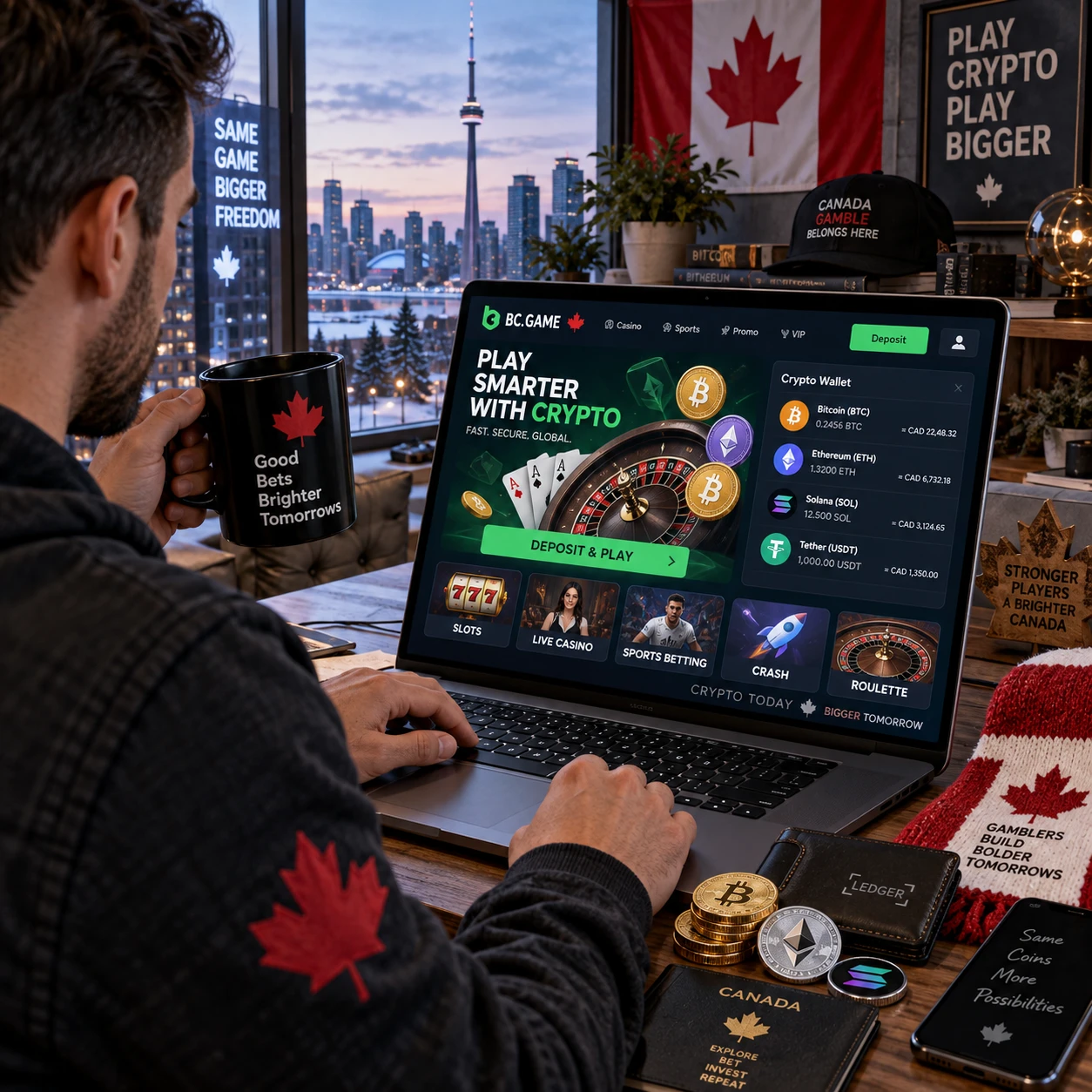
I've watched the Canadian online gambling scene shift pretty hard over the past couple of years, and nowhere is that more obvious than in how people actually pay. Pop into any gambling forum Canadians frequent and you'll see the same thread resurfacing over and over: Bitcoin, Ethereum, and stablecoins have gone from a weird niche thing to the default payment method for a huge chunk of players. Makes sense when you think about it. Payouts land in minutes instead of days, fees are a fraction of what a credit card would cost you, and most people I talk to feel way more comfortable running a digital wallet than they did even twelve months back.
That said — moving your bankroll into crypto isn't something you want to do blindly. There's a real learning curve here: picking a trustworthy platform, keeping your funds locked down, managing your money so volatility doesn't quietly chew through your winnings. This guide walks through exactly that. How Canadian players are using crypto to gamble online in 2026, what separates a solid operator from a sketchy one, and how to protect both your wallet and your bankroll along the way.
Why Canadian Gamblers Are Switching to Crypto in 2026
The appeal really boils down to a handful of practical things. First, speed. Traditional bank transfers and e-wallets tied to Canadian banking rails can take anywhere from one to five business days to process a withdrawal — especially when the receiving institution flags it as gambling-related, which a lot of them still do. Crypto withdrawals, on the other hand, often clear within minutes or a couple of hours, depending on how congested the network is.
Second: the ongoing friction with Canadian banks themselves. Several major institutions keep restricting or outright blocking transactions tied to offshore gambling sites, even when the activity itself isn't illegal for the player doing it. Crypto sidesteps all of that since the transaction never touches a bank's internal flagging system at all.
Third, fees. Credit card cash advances and some e-wallet services tack on processing charges that eat into both deposits and withdrawals. Network fees for crypto — particularly coins built for speed — are usually a small fraction of that cost. And then there's privacy. Crypto transactions don't require handing over your full financial history to a third-party processor the way card payments often do.
Popular Cryptocurrencies Used by Canadian Players
Bitcoin's still the most widely accepted option, simply because it's universally recognized, but it's far from the only choice out there. Ethereum draws players who also dabble in DeFi or NFTs and like keeping everything in one ecosystem. Litecoin's carved out its own niche thanks to lower fees and faster confirmation times compared to Bitcoin.
- Bitcoin (BTC) — the standard, accepted virtually everywhere
- Ethereum (ETH) — fast, widely supported, good for larger transactions
- Litecoin (LTC) — cheaper and quicker confirmations
- USDT/USDC (stablecoins) — pegged to the US dollar, used to avoid volatility swings
That last category's worth sitting with for a second. More and more Canadian players are depositing in stablecoins specifically to shield their bankroll from the price swings that come with Bitcoin or Ethereum. Deposit $500 CAD worth of BTC and watch the price drop 8% overnight — your effective bankroll just shrank right along with it. Stablecoins take that whole variable off the table.
How to Identify the Best Bitcoin Casino for Canadian Players
Not every platform taking crypto deserves your deposit. Not even close. The gap between a well-run operator and a questionable one is wide, and whatever research you do upfront matters more than almost anything else in this whole process. A few things I always check first: licensing, provably fair game mechanics, withdrawal speed history, and whether the bonus structure is realistic or built to trap your funds.
Licensing's the biggest filter, honestly. Curaçao remains common, Malta Gaming Authority licenses carry more weight in terms of regulatory oversight, and Kahnawake-licensed operators matter specifically for Canadian players since that jurisdiction sits right here in Quebec. None of this guarantees a flawless experience — but it at least means there's a regulatory body a player can appeal to if something goes sideways.
Players researching their options can start by exploring a curated best bitcoin casino list to compare licensing, payout speed, and game selection side by side, instead of relying on scattered forum opinions or paid review sites that aren't always upfront about their incentives.
Red Flags to Avoid When Choosing a Platform
A handful of warning signs should make you close the tab, no second thoughts. Unlicensed operators with zero visible regulatory information are the clearest red flag there is. Vague or constantly shifting withdrawal terms — especially ones that only surface after you've already deposited — are another. If a casino offers no way to verify game fairness (provably fair algorithms, third-party audits), that's a problem too. And watch for hidden fees tacked onto crypto withdrawals; a platform advertising 'free crypto withdrawals' while quietly deducting a network fee markup isn't being straight with you.
Setting Up Secure Crypto Transactions for Online Gambling
Once you've picked a platform, the next job is making sure your actual transactions hold up. I always start with wallet choice. Hardware wallets offer the best security for anything you're not actively using, but for day-to-day gambling deposits, a reputable software wallet with two-factor authentication turned on is usually enough — and a lot more convenient.
Before sending any funds, double-check the casino's deposit address character by character. Malware that swaps clipboard addresses is a real, growing threat, not some rare edge case. Understand network fees and confirmation times too — Bitcoin can drag during high-traffic periods, while Litecoin or certain Ethereum-based tokens typically clear faster.
One habit that's served me well: keep a separate wallet dedicated purely to gambling activity, distinct from your long-term savings or investment holdings. Keeps the bankroll contained, and makes tracking wins, losses, and deposits far simpler come tax season.
Avoiding Common Security Mistakes
The mistakes I see most aren't sophisticated hacks — they're basic oversights. Reusing passwords across exchanges and wallets. Ignoring phishing emails that mimic a casino's branding. Sending funds to an address you haven't verified. Skipping KYC verification when a legitimate platform asks for it, thinking it'll speed up withdrawal when in reality it usually delays it.
Smart Bankroll Management with Cryptocurrency
Crypto adds a variable that traditional currency gambling just doesn't have: volatility. The smartest approach I've found is setting your budget in CAD terms first, then converting only what you need into crypto right before depositing. That way your 'bankroll' stays mentally anchored to a fixed dollar figure instead of drifting with the market.
Tracking volatility impact matters too. If you're sitting on winnings in Bitcoin or Ethereum, think about converting a portion into stablecoins to lock in gains rather than risking a market dip wiping out what you've already won. Setting firm win and loss limits before you start playing — and actually sticking to them — is still one of the simplest, most effective bankroll strategies, regardless of what currency you're using.
Portfolio tracking apps help here, letting you watch your crypto holdings' CAD-equivalent value in real time. A lot of casinos also offer built-in analytics dashboards showing deposit, wager, and withdrawal history — worth checking regularly, not just at the end of a session.
Tax and Record-Keeping Considerations for Canadians
I'm not a tax professional, so I'll keep this general. The CRA's shown growing interest in crypto transactions, and gambling winnings paid in crypto can create a layered situation involving both gambling income rules and crypto disposition rules. Keeping clear records of every deposit, withdrawal, and conversion — dates, CAD values at the time, all of it — is a smart habit no matter how your specific situation ends up getting taxed. Way easier to sort things out with good records than to try reconstructing everything after the fact.
Common Mistakes Canadian Crypto Gamblers Should Avoid
A few patterns keep showing up among players who end up frustrated with their crypto gambling experience:
- Chasing losses by impulsively buying more crypto mid-session instead of sticking to a predetermined budget
- Ignoring exchange rate fluctuations right before depositing, which can quietly shrink or inflate the real value of a deposit
- Getting lured by bonus offers that sound too generous, often loaded with wagering requirements that make them nearly impossible to clear
- Depositing large sums into a platform without first checking its track record on crypto withdrawals specifically
Every single one of these is avoidable with a bit of patience and research before any real money moves.
Crypto's carved out a permanent place in Canada's online gambling landscape, and 2026 is shaping up to be the year it fully matures — from alternative payment method to default choice for a huge segment of players. The platforms that come out ahead on this shift are the ones that take licensing, transparency, and payout speed seriously. And the players who benefit most are the ones who treat wallet security and bankroll discipline as non-negotiable, not afterthoughts tacked on later. Do your homework, keep your transactions tight and verified, set your limits before you start — and crypto gambling can genuinely offer a faster, more private, and more rewarding experience than the traditional banking route ever managed.