
How Canadian Online Entertainment Trends Are Shaping Creative Industries in 2026: From Photography to Bitcoin Casino Canada Platforms
How Canadian Online Entertainment Trends Are Shaping Creative Industries in 2026: From Photography to Bitcoin Casino Canada Platforms
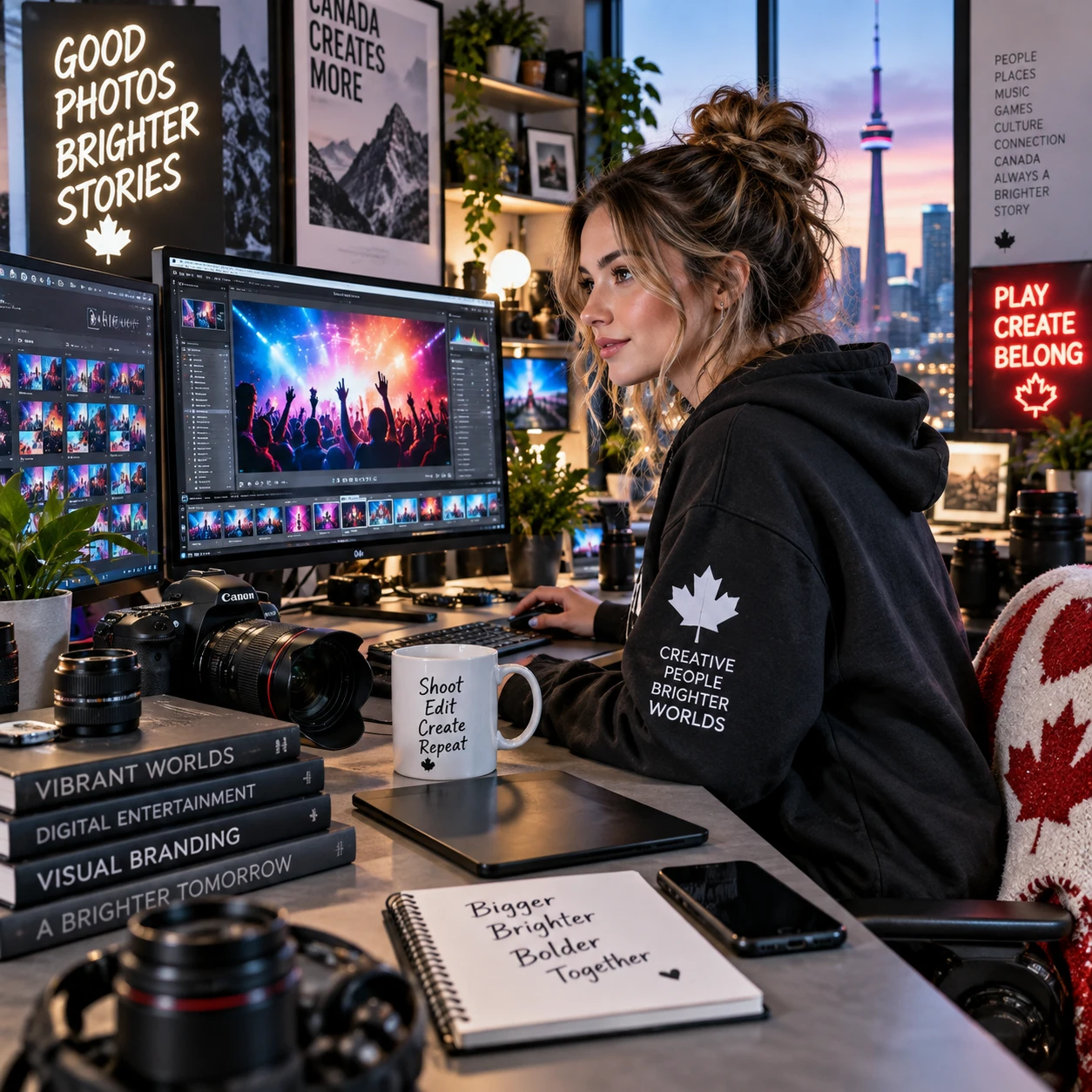
I've been running a photography business in Canada for over a decade now, and honestly? 2026 feels like a different planet compared to where I started. The line between 'creative work' and 'digital entertainment' didn't just fade — it dissolved. Photographers aren't just shooting weddings and headshots anymore. I'm building brand worlds, designing visual identities for apps, lending my eye to industries that barely existed in their current form a few years back. Streaming culture, mobile gaming, even cryptocurrency-driven gaming platforms — they're all part of the creative economy's bloodstream now, whether I like it or not. This piece is my attempt to unpack how that shift happened, where it seems to be heading, and what it actually means for Canadian creatives trying to stay relevant without losing themselves somewhere along the way.
The Digital Transformation of Canadian Creative Industries
If you'd told me back in 2015 that most of my client intake would happen through an online booking widget and Instagram DMs, I probably wouldn't have believed you. But that's exactly where things landed. Canadian creatives — photographers, graphic designers, videographers — have almost entirely migrated their businesses online. Physical storefronts got swapped for polished portfolio sites, and client relationships now start with a scroll through a feed instead of a walk-in consultation.
This isn't just about convenience, though. It reflects something deeper in how Canadians consume everything, entertainment included. People binge shows across multiple platforms, game across devices, and expect instant, visually rich experiences wherever they land. Creative businesses had to adapt their presentation style to match that appetite — or risk looking outdated, fast.
From Studios to Screens
The traditional photography studio hasn't disappeared. But it's no longer the center of gravity for most businesses, not even close. Bookings, portfolio reviews, even client consultations happen almost entirely through screens now. I schedule sessions through an app, deliver galleries via cloud links, and most new leads find me because of how my website looks on a phone screen at 11 p.m. — which, incidentally, is prime time for a lot of online entertainment browsing in Canada too. There's a direct echo between how people discover their next streaming series and how they discover their next photographer. Same scroll, same instinct, different outcome.
Online Entertainment Trends Reshaping Visual Culture
Streaming platforms, mobile gaming, and interactive entertainment have quietly become the biggest influence on contemporary visual aesthetics in this country. Scroll through any trending Canadian design feed and you'll notice color grading, pacing, composition choices that trace straight back to gaming interfaces and streaming thumbnails rather than classic photographic tradition.
Designers and photographers alike are borrowing cues from these entertainment formats — bold contrast, motion-implying compositions, layouts built for mobile-first consumption. It's less about capturing a 'perfect moment' in the old sense. More about creating something that performs well in a feed built for constant scrolling and quick engagement.
Gaming and Esports Aesthetics in Visual Media
Esports culture in particular has left fingerprints all over Canadian visual media. Neon color palettes, high-contrast lighting, dynamic diagonal compositions — stuff that used to be niche to gaming branding — now show up everywhere from fashion editorials to corporate headshots. I've started working more gamified visual language into branded shoots myself, mostly because clients ask for it. They've absorbed that aesthetic from hours spent watching streams and playing online, and they want their own visual identity to feel just as charged.
The Rise of Bitcoin Casino Canada Platforms as a Cultural Phenomenon
One of the more unexpected developments in this space has been the explosive growth of cryptocurrency-based online entertainment platforms across Canada. Bitcoin casino canada platforms, in particular, have carved out a surprisingly significant slice of the digital leisure economy. And with that growth has come real demand for distinctive visual branding — logos, promotional imagery, campaign photography, the full package.
These platforms need to look trustworthy, modern, and visually compelling to stand out in a crowded digital marketplace. That's created genuine opportunities for Canadian photographers willing to step into this niche. As a working photographer, I've seen portfolio pieces built around exactly this kind of promotional work — campaigns blending sleek product photography with the high-energy visual language borrowed from gaming and streaming culture. You can see examples of how a Canadian photography business approaches this kind of commercial storytelling at bitcoin casino canada branding projects, where the goal isn't flashy gimmicks so much as crafting a believable, polished visual identity for an emerging digital entertainment brand.

Creative Industries Adapting to Digital Entertainment Economics
Beyond the aesthetics, there's a pretty practical economic story here too. Photographers, videographers, and content creators across Canada are discovering new revenue streams by partnering directly with online entertainment and iGaming brands. Sponsored content, branded photography packages, ongoing digital campaign work — these are legitimate line items on creative invoices now, not side gigs tucked in the margins anymore.
What's interesting is how this diversifies income in ways traditional creative work rarely did. A single branding campaign for a digital entertainment client can sometimes outpace months of standard portrait or event bookings. That's pushed a lot of creatives to actively chase this kind of work rather than stumbling into it by accident.
New Business Models for Canadian Photographers
I've watched colleagues who used to focus exclusively on weddings or family portraits pivot into commercial photography for digital entertainment companies. It's not a wholesale replacement of their original niche — most keep a foot in both worlds — but it's become a meaningful secondary business model for quite a few of them. The skills transfer surprisingly well, honestly. Lighting, composition, storytelling instincts developed shooting people still apply when you're photographing product mockups, brand ambassadors, or lifestyle scenes for an entertainment platform's marketing materials.
Best Practices for Creatives Entering the Online Entertainment Space
If you're a Canadian creative curious about this crossover, here's what I'd genuinely suggest, based on my own trial and error — mostly error, if I'm being honest:
- Build a digital portfolio section specifically tailored to commercial and branding work, separate from your personal or editorial projects.
- Study the visual language of the platforms you want to work with — tone, color, pacing matter more here than in traditional portrait photography.
- Communicate clearly with clients about licensing, usage rights, and campaign timelines, since digital entertainment brands often move fast.
- Stay authentic to your style even while adapting; clients hire you for your particular eye, not just trend-matching.
Common Pitfalls to Avoid
It's not all smooth sailing, though. I've seen creatives jump into this space without doing their homework on compliance considerations, especially around how certain entertainment or gambling-adjacent brands can actually be marketed. Others underestimate just how specific platform audiences can be — what works visually for a streaming brand doesn't necessarily translate to a crypto gaming audience, and vice versa.
The biggest mistake, though? Chasing trends so aggressively you lose your artistic voice entirely. Clients in this space actually want creatives with a distinct perspective — that's often why they're hiring outside talent instead of relying on generic stock imagery. Trend-chasing without a point of view tends to produce forgettable work. And that hurts everyone involved, not just the photographer's portfolio.
Conclusion
Canada's creative industries in 2026 are being pulled, pushed, and reshaped by online entertainment in ways that would've seemed unlikely just a few years back. Photography, design, and videography aren't separate from the world of streaming, gaming, and digital finance platforms anymore — they're woven right into it, threads in the same fabric now. Whether it's adopting esports-inspired aesthetics or building branded campaigns for emerging crypto entertainment platforms, Canadian creatives have real opportunity here if they approach it thoughtfully. My advice, for whatever it's worth: lean into the shift, learn the visual language of these new industries, but don't let it erase what made your work distinct in the first place. That part's non-negotiable.