
How to Choose a Safe and Licensed Bitcoin Casino in Canada: A 2026 Player's Guide to Crypto Gambling Regulations, Security, and Responsible Play
How to Choose a Safe and Licensed Bitcoin Casino in Canada: A 2026 Player's Guide to Crypto Gambling Regulations, Security, and Responsible Play

I've watched the Canadian online gambling scene shift pretty dramatically over the past few years. By 2026, Bitcoin casinos have gone from a niche curiosity to a mainstream option for a huge chunk of players across the country — and once you've actually tried one, the appeal isn't hard to understand at all.
Withdrawals that land in minutes instead of days. Privacy that traditional banking methods just can't touch. Games you can mathematically verify as fair, instead of trusting a logo on a homepage. But here's the catch that keeps coming up when I talk to other players: how do you actually tell a legitimate, well-run platform from one that's going to vanish with your crypto the moment things get complicated?
That's exactly what this guide walks through — the regulations that apply (or don't), the security features worth demanding, and the responsible gambling habits that matter even more when you're dealing with volatile digital assets.
What Is a Bitcoin Casino and Why Canadians Are Choosing Them
A Bitcoin casino is, at its core, an online gambling platform that lets you deposit, wager, and cash out using Bitcoin or other cryptocurrencies instead of — or alongside — traditional currency. For Canadian players, the draw comes down to a handful of practical advantages, and they're not subtle ones.
Transaction fees tend to run lower than what you'd pay through a credit card processor or e-wallet service. Withdrawals clear faster, sometimes almost instantly, compared to the multi-day waits that still plague some fiat casinos. There's a meaningful privacy benefit too, since you're not necessarily tying every transaction directly to your bank statement.
And then there's provably fair gaming. A growing number of crypto platforms now offer games where the outcome of each spin or hand can be independently verified using cryptographic proofs — something fiat casinos rarely bother with, mostly because they've never had to.
How Crypto Casinos Differ from Traditional Online Casinos
The differences go beyond just the payment method. Traditional online casinos operating in regulated Canadian markets, like those licensed through iGaming Ontario, typically require full KYC (Know Your Customer) verification before you can withdraw a dime. Crypto casinos sometimes relax this for smaller transactions — though reputable ones still enforce it for larger withdrawals or anything that looks suspicious.
Payment speed is another big divergence. A Bitcoin withdrawal can clear in under an hour depending on network congestion, while a bank transfer from a fiat casino might take three to five business days. Three to five days. For your own money. Let that sink in for a second.
Then there's game transparency: provably fair algorithms let you check, after the fact, that a result wasn't manipulated. Technically possible in conventional online casinos too — just... almost never actually implemented.
Understanding Canada's Gambling and Crypto Regulatory Landscape
This is where things get genuinely confusing for a lot of players, so let me break it down as plainly as I can. Canada doesn't have one unified federal body overseeing online gambling the way, say, the UK does with the UKGC. Regulation here is handled provincially, and that matters more than it sounds.
Ontario has iGaming Ontario, which licenses operators to serve players within that province specifically. Other provinces largely rely on provincial crown corporations, or have more limited frameworks altogether. Crypto gambling falls into even murkier territory, because there's no domestic Canadian license purpose-built for Bitcoin casinos. None. Not yet, anyway.
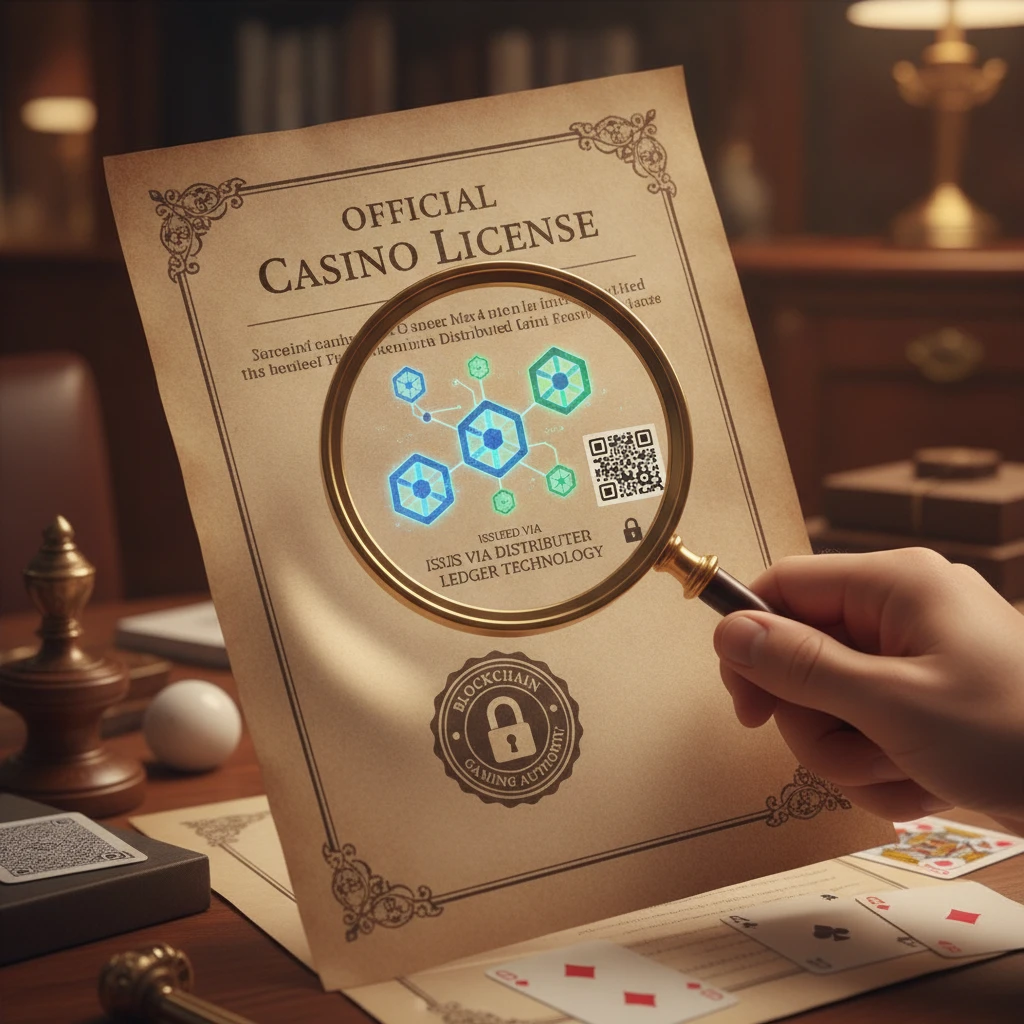
What this means in practice: the vast majority of 'licensed' Bitcoin casinos accepting Canadian players are operating under offshore licenses — Malta Gaming Authority, Curaçao eGaming, or the Kahnawake Gaming Commission, which is actually based within Canada on Mohawk Territory and has become one of the more respected licensing bodies for crypto-friendly operators.
None of these licenses carry the same legal weight as a provincial Canadian gaming license. But they do generally require operators to meet certain operational and financial standards, and honestly, that's a meaningfully better situation than dealing with a site that has zero oversight whatsoever.
Why Compliance and Anti-Money-Laundering Standards Matter
Because cryptocurrency transactions can be pseudonymous, they've historically raised red flags for financial crime watchdogs — and gambling platforms are a natural pressure point for money laundering concerns. It's not paranoia. It's just how the math works out for regulators.
Reputable Bitcoin casinos deal with this by implementing KYC and AML protocols that mirror international financial crime prevention standards, even when their offshore license doesn't strictly require it. That's usually a good sign, not a nuisance, if you ask me.
If you want to understand how regulators and compliance professionals actually approach digital asset oversight in Canada, it's worth doing some outside reading through organizations focused on financial crime investigation. Groups like the Investigative Professionals Association of Canada work specifically on this kind of oversight, and their resources at a bitcoin casino compliance perspective can give you a clearer picture of what 'proper' AML practice actually looks like — rather than just taking an operator's marketing claims at face value.
How to Verify a Bitcoin Casino's License and Legitimacy
Before depositing a single satoshi, run through this checklist:
- Locate the license number displayed in the site footer, then cross-check it against the regulator's public registry (Kahnawake, Malta, and Curaçao all maintain searchable databases).
- Confirm the operator's legal entity name matches what's listed in the license registry — scammers often use near-identical branding with a different legal owner.
- Read the terms of service closely for jurisdiction disclosures, since this tells you which laws actually govern disputes.
- Verify SSL encryption is active (look for the padlock icon) and check whether games have been audited by third parties like eCOGRA or iTech Labs.
Red Flags of Unlicensed or Scam Platforms
Some warning signs are almost always a dealbreaker, in my experience. No visible license information anywhere on the site. Bonus offers that sound mathematically impossible — think 500% matches with no sensible wagering requirements attached. An absence of any real customer support beyond a generic email form. A pattern of negative reviews across independent forums like Casinomeister or Reddit's gambling communities.
If a platform fails even one or two of these checks, I'd walk away. Not hesitate, not 'give it a chance' — just walk away.
Security Features Every Safe Bitcoin Casino Should Have
Beyond licensing, the technical security posture of a platform tells you a lot. Two-factor authentication should be mandatory, not optional, for account access — if it's buried in some settings menu you have to go hunting for, that's already a bad sign.
Reputable operators store the majority of player funds in cold wallets, keeping only operational liquidity in hot wallets exposed to the internet. Blockchain transaction transparency means you can actually trace your deposits and withdrawals on-chain, which adds a layer of accountability fiat casinos simply can't offer.
And increasingly, well-run platforms commission regular smart contract or platform audits from established cybersecurity firms, publishing the results instead of burying them. If a casino can't point you to an audit report, maybe ask yourself why.
Responsible Gambling in the Crypto Era
Responsible gambling tools don't disappear just because you're using crypto. Deposit limits, self-exclusion periods, reality check reminders — all of it still applies, and should be available on any legitimate platform.
But crypto adds a wrinkle fiat gambling doesn't have: price volatility. If Bitcoin swings 15% in value during your session, your 'bankroll' in CAD terms just changed without you doing anything at all. That's a real risk factor, and it deserves actual attention, not a footnote buried somewhere in a terms page.
Canadian players struggling with gambling habits can find support through resources like the Canadian Centre on Substance Use and Addiction, which addresses problem gambling alongside substance-related concerns.
Setting Crypto-Specific Limits
A strategy I've found genuinely useful: convert only a fixed CAD amount into crypto specifically for gambling purposes, rather than wagering directly from a larger holding. This keeps your gambling budget mentally and financially separate from your long-term crypto investments. Simple idea, surprisingly effective.
It's also worth tracking exchange rate fluctuations during a session, so you're not fooled into thinking you're winning when the coin's value just happened to rise. And maybe most importantly — avoid chasing losses by telling yourself the crypto price will 'bounce back.' That's a dangerous rationalization, and it has nothing to do with the actual odds of the game you're playing.
Choosing the Right Bitcoin Casino for Your Needs
Once you've confirmed a platform is licensed and secure, narrow things down based on practical fit. Look at game variety first — does it actually offer the slots, table games, or live dealer options you want to play, or just a generic catalog padded out with filler titles?
Check withdrawal speed claims against real user reviews, since marketing promises and reality don't always line up. Confirm which cryptocurrencies are supported beyond just Bitcoin — Ethereum and Litecoin support is common, and useful if you hold multiple assets.
Customer service availability matters too, ideally with live chat available around the clock. And finally, see whether the platform offers clear CAD conversion displays, so you always know roughly what your crypto balance is worth in Canadian dollars before you place a bet.
Conclusion
Choosing a safe, licensed Bitcoin casino in Canada in 2026 really comes down to a few core habits: verify the license against a real regulatory registry, prioritize platforms with strong AML compliance and visible security measures, and never let the excitement of crypto gambling override responsible play practices.
None of this requires special expertise. Just a willingness to do a bit of due diligence before you deposit. Check, ask questions, read the fine print — and a genuinely safe crypto gambling experience is well within reach.